Liquidation Facts

March 23, 2026
What Every Store Owner Should Know Before Closing a Retail Business
What “Liquidation” Actually Means in Retail
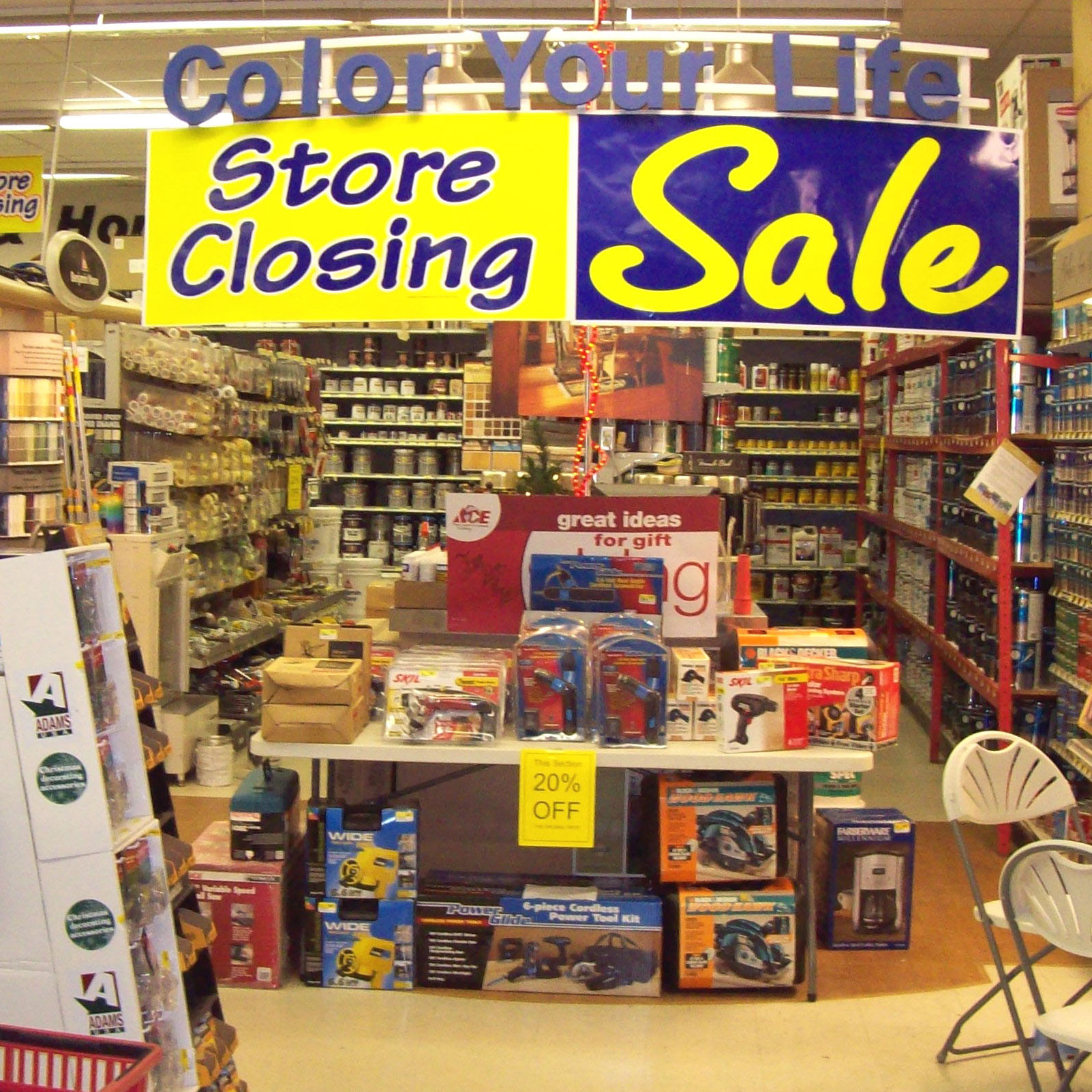
Retail liquidation is the planned conversion of inventory, fixtures, and equipment into cash within a defined time frame. It is not simply discounting merchandise until it sells. A true liquidation is a high-intensity retail event that compresses months (or years) of normal selling into weeks.
A professional liquidation balances four competing forces:
- Speed (how quickly assets must be converted)
- Recovery (how much cash is recovered from those assets)
- Control (who manages pricing, cash, and decisions)
- Reputation (how the business exits the community)
The outcome depends far more on execution and experience than on discount depth.
Common Reasons Store Owners Liquidate
Retail liquidation is not limited to failure. Many profitable stores liquidate strategically.
Most common triggers include:
- Retirement or health-related exits
- Lease expiration or forced relocation
- Rebranding, remodeling, or ownership change
- Capital redeployment into another opportunity
- Chronic margin compression or inventory aging
- Bankruptcy, foreclosure, or creditor action
The reason for liquidation determines timing, messaging, pricing strategy, and risk tolerance—which is why one-size-fits-all liquidation approaches underperform.
Liquidation vs. Clearance Sales: A Critical Difference
Clearance Sale
- Ongoing business remains open
- Limited urgency
- Familiar pricing patterns
- Customers delay purchases
- Inventory sells slowly
Liquidation Sale
- Finite, irreversible event
- High urgency and repeat traffic
- Carefully staged markdowns
- Customers buy now, not later
- Inventory sells faster and more completely
Running clearance sales before liquidation typically reduces total recovery, because the most desirable inventory is already gone when urgency finally matters.
Liquidation vs. Auctions vs. Bulk Buyers
Auctions
- Typically recover 5–30% of cost
- Designed for speed, not value
- Fees and advertising deducted from proceeds
- Commonly used by courts and lenders, not owners
- Minimal regard for reputation or goodwill
Bulk Buyers
- Discount inventory off wholesale, not retail
- Eliminate upside potential
- Shift value to the buyer, not the owner
- Attractive only when time is extremely constrained
Professional Retail Liquidation
- Inventory sold at retail prices with controlled markdowns
- Customer traffic multiplies value
- Fixtures and equipment sold separately
- Typically recovers multiples of auction outcomes
- Preserves dignity and community trust
The Biggest Myth About Liquidation: “I Can Do This Myself”
Many owners believe self-conducted liquidation saves money.
In practice, it usually costs more than professional fees ever would.
Why DIY liquidation underperforms:
- Markdown timing is guesswork
- Traffic collapses late in the sale
- Owners discount too early or too late
- Employees burn out or disengage
- Tail-end inventory stalls
- Emotional decision-making replaces discipline
Liquidation is not normal retail.
It is retailing at warp speed, under pressure, with no do-overs.
Guarantees in Liquidation: Why They’re a Red Flag
There are no legitimate guarantees in retail liquidation.
Any company promising a guaranteed return is protecting itself, not the owner usually through:
- Front-loaded fees
- Contract escape clauses
- Control over receipts
- Forced bulk sales at the end
- Narrow definitions of “guarantee”
The only way to guarantee liquidation results is to buy the inventory outright which is no longer liquidation.
Percentage Contracts, Escrow Accounts, and Other Warning Signs
Store owners should be cautious of arrangements that include:
- Front-end loaded percentage contracts
- Accelerated weekly fee payments
- Escrow accounts controlled by the liquidator
- Consultants paid more early than late
- Incentives to exit before the sale is finished
The final weeks of a liquidation determine overall recovery.
Any structure that rewards early exit misaligns incentives.
Why Independent Store Liquidations Are Different
Independent retailers behave differently than chains:
- Inventory is more specialized
- Customer loyalty is deeper
- Reputation matters more
- Decisions are personal, not corporate
Many liquidators cut their teeth on chain closings, where pricing, advertising, and decisions are dictated remotely. That model does not translate well to independent stores.
What Actually Drives High Liquidation Recovery
Across thousands of independent store closings, the same factors consistently matter most:
- Inventory quality and balance (especially fast-turning items)
- Early traffic concentration while margins are strongest
- Disciplined, staged markdowns
- Repeat-visit incentives
- Active, on-site management
- Selling fixtures and equipment deliberately, not as an afterthought
Deep discounts alone do not maximize recovery.
Momentum does.
Control: The Most Overlooked Liquidation Factor
In a professional liquidation:
- The owner retains control of the store
- The owner retains control of receipts
- The owner approves pricing and strategy
- The consultant executes, advises, and manages intensity
Any structure that removes owner control increases risk; financial and emotional.
The Emotional Reality of Closing a Store
For long-tenured owners, liquidation is not just financial.
It involves:
- Identity
- Legacy
- Employees
- Community standing
The best liquidation outcomes occur when the process is structured, ethical, and calm not rushed, chaotic, or adversarial.
Why Experience Compounds in Liquidation
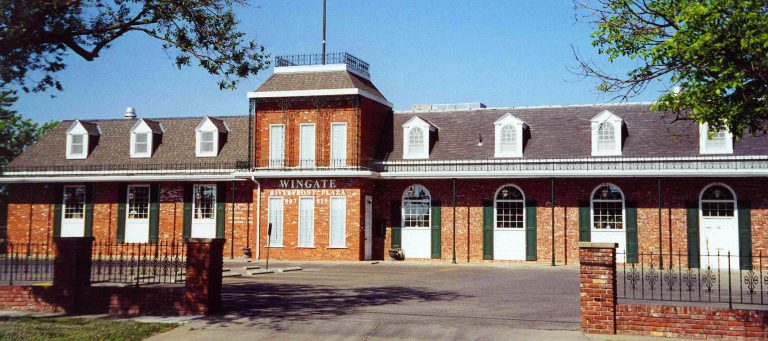
Every store closing presents surprises. Experience determines whether those surprises destroy value or are managed. After more than a century focused on independent retailers, Wingate Sales Solutions operates with one core principle:
The store owner should leave with maximum recovery, full control, and intact dignity.
That standard eliminates shortcuts, gimmicks, and guarantees—while consistently outperforming alternatives.
Liquidation Facts to Remember
- Liquidation is a specialized discipline, not clearance retail
- Auctions prioritize speed, not value
- Guarantees protect liquidators, not owners
- Control of cash and decisions matters
- The final weeks determine total recovery
- Experience compounds results
For most independent retailers, the goal is not to “get out fast.” It is to exit correctly.
 (888) 480-SALE
  P.O. Box 48294