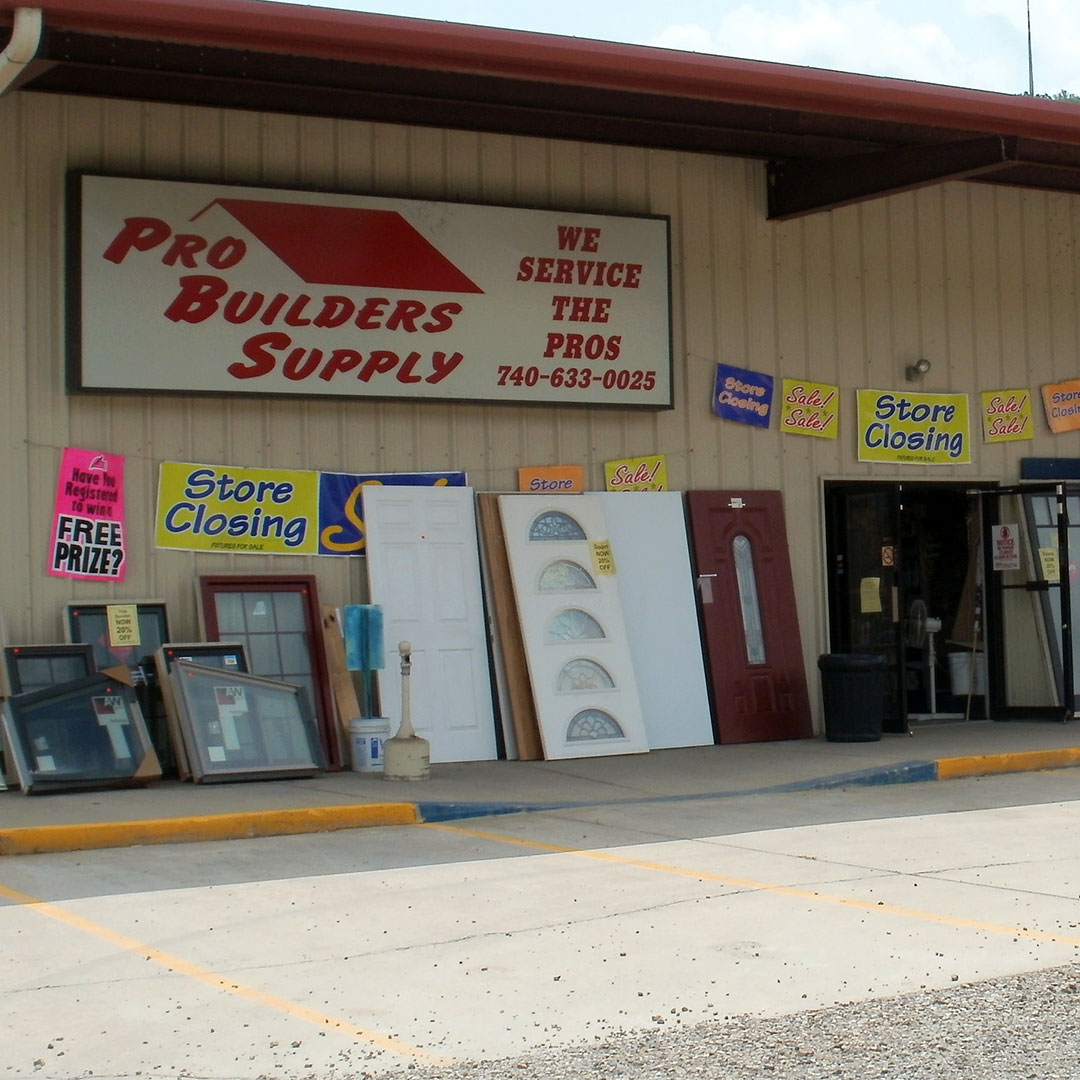
Store Liquidation vs Self Liquidation Sales

March 23, 2026
Understanding the Real Difference and What It Costs You
When a retail owner decides to close, retire, relocate, or exit the business, one critical decision determines the outcome more than any other: whether to conduct the liquidation yourself or engage a professional store liquidation company.
At first glance, a self-conducted liquidation can appear simpler and less expensive. In reality, it is often the most expensive option once lost margin, prolonged timelines, pricing errors, and reputation damage are fully accounted for.
This guide explains the material differences between professional store liquidation and DIY liquidation sales, why outcomes vary so dramatically, and why experienced retailers overwhelmingly choose professional liquidation when the goal is maximum recovery with dignity and control.
What Is a Self-Conducted Liquidation Sale?
A self-liquidation is when the store owner personally plans, advertises, prices, manages, and executes the closing sale without a professional liquidation consultant.
Common DIY approaches include:
- “Everything Must Go” sales
- Clearance or inventory reduction sales
- Extended markdown campaigns
- Last-minute fire sales
- Auctions or bulk buyers as a fallback
While familiar, these methods introduce structural disadvantages that most retailers underestimate.
What Is a Professional Store Liquidation?
A professional liquidation is a structured, managed retail event conducted by specialists whose sole focus is converting inventory, fixtures, and equipment into cash at the highest possible recovery.
Professional liquidation is not discounting; it is retailing at warp speed, using proven psychology, pricing discipline, traffic engineering, and timing strategies refined over decades.
Wingate Sales Solutions specializes exclusively in this discipline and has done so since 1916.
Side-by-Side Comparison: Professional vs. Self-Liquidation
Inventory Recovery
Self-Liquidation
- Deep early discounts to create urgency
- Poor sell-through of slow-moving items
- Margin collapse in first weeks
- Tail-end inventory often dumped at pennies on the dollar
Professional Liquidation
- Strategic, staged markdowns
- Strong early volume at higher margins
- Controlled pricing based on sell-rate, not panic
- Systematic liquidation of slow movers without destroying the sale
Result: Professional liquidation consistently recovers materially more cash from the same inventory.
Traffic Generation
Self-Liquidation
- Relies on standard advertising or word of mouth
- Traffic spikes briefly, then collapses
- Customers “wait it out” for deeper discounts
- Late-stage sales stagnate
Professional Liquidation
- Engineered traffic from day one
- Proprietary pre-showing and incentive programs
- Repeat visits throughout the sale
- Sustained momentum until sell-out
Result: Professional liquidation maintains buyer urgency instead of training customers to wait.
Time, Stress, and Management Load
Self-Liquidation
- Owner must manage pricing, advertising, employees, security, and cash
- Emotional fatigue leads to poor decisions
- Sale often drags on longer than planned
- Owner absorbs all operational risk
Professional Liquidation
- On-site consultant manages the sale daily
- Owner retains control without carrying the burden
- Clear timeline and exit strategy
- Problems anticipated and solved in real time
Result: Professional liquidation removes chaos at the most stressful moment of ownership.
Reputation and Community Impact
Self-Liquidation
- Perception of desperation or failure
- Inconsistent messaging and signage
- Employee morale deteriorates
- Community goodwill often damaged
Professional Liquidation
- Ethical, orderly, dignified sale presentation
- Clear communication with customers and staff
- Structured process that protects the store’s legacy
- Maintains community respect through the final day
Result: Professional liquidation preserves reputation while maximizing recovery.
Fixtures, Equipment, and Hidden Assets
Self-Liquidation
- Fixtures sold late or overlooked
- Equipment undervalued or scrapped
- No coordinated marketing for non-inventory assets
Professional Liquidation
- Fixtures and equipment marketed from day one
- Sold alongside merchandise, not as an afterthought
- Integrated into advertising and signage
Result: Professional liquidation captures value most owners leave behind.
Why Self-Liquidation Fails More Often Than Owners Expect
Retail owners are experts at building and operating a business not dismantling one.
Common DIY liquidation mistakes include:
- Discounting too deeply, too early
- Advertising too late or too weakly
- Failing to maintain urgency
- Losing control of markdown timing
- Allowing the sale to stagnate
- Emotionally over-valuing or under-pricing inventory
- Underestimating theft and shrink during chaos
These mistakes compound quickly and permanently reduce recovery.
Why Auctions and Bulk Buyers Perform Worse Than Either Option
Auctions and bulk sales typically recover 5–30% of inventory cost, often less once fees are deducted. They prioritize speed over recovery and are primarily designed for creditors—not owners.
Compared to professional liquidation, auctions represent the lowest recovery method available.
When Professional Liquidation Is the Right Decision
Professional liquidation is most effective when:
- Inventory value exceeds $100,000 at cost
- The owner wants to preserve dignity and control
- Time matters, but recovery matters more
- Reputation with customers and employees is important
- The goal is to exit cleanly, not gamble
This applies equally to retirement, health exits, lost leases, rebranding, bankruptcy, or capital redeployment.
Why Wingate Sales Solutions Is Different
Wingate Sales Solutions is not a generic liquidation firm.
Key differentiators:
- Founded in 1916; four generations of continuity
- Exclusive focus on independent retailers
- Consultants with decades of hands-on experience
- No escrow accounts
- No misleading guarantees
- No front-loaded incentives
- Customized sale plans—never cookie-cutter
- Ethical, dignified execution
Wingate’s process exists to protect the owner’s capital, control, and reputation not the liquidator’s convenience.

 P.O. Box 48294