Store Liquidation Services for Independent Retailers

Professional Store Liquidation That Protects Your Assets, Reputation, and Control

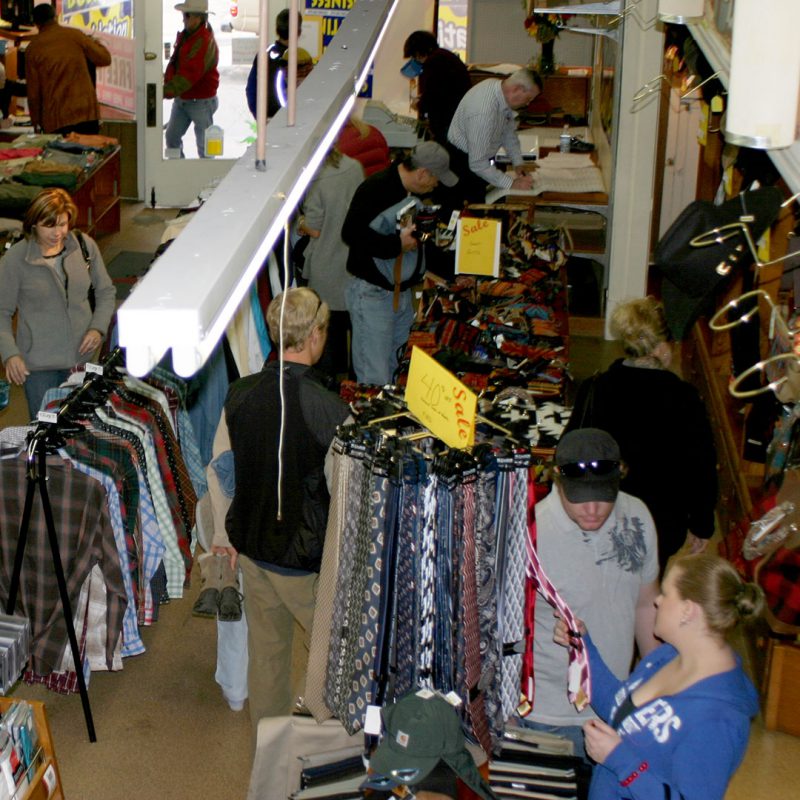
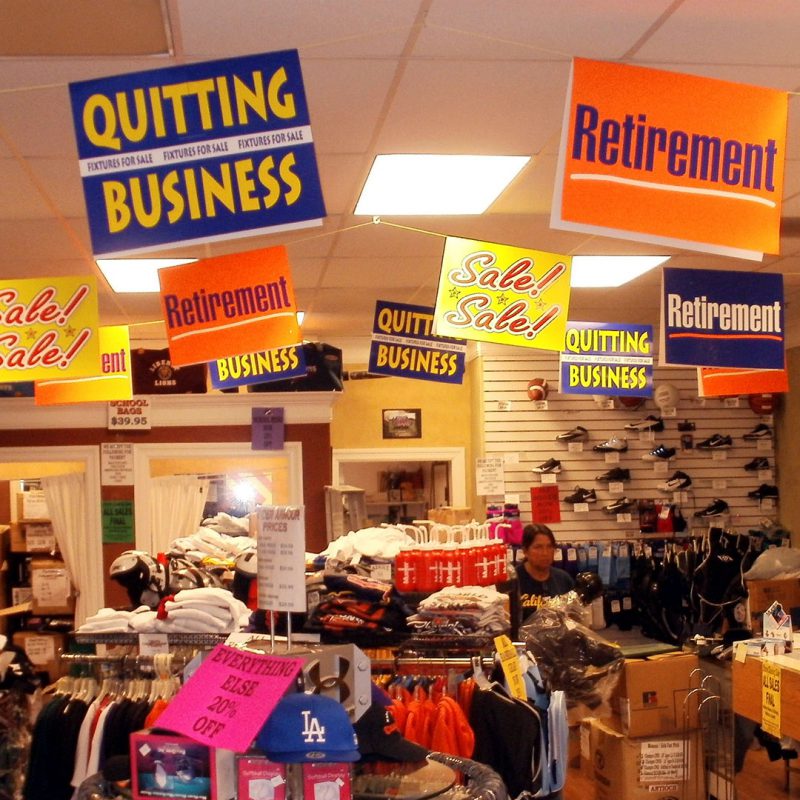
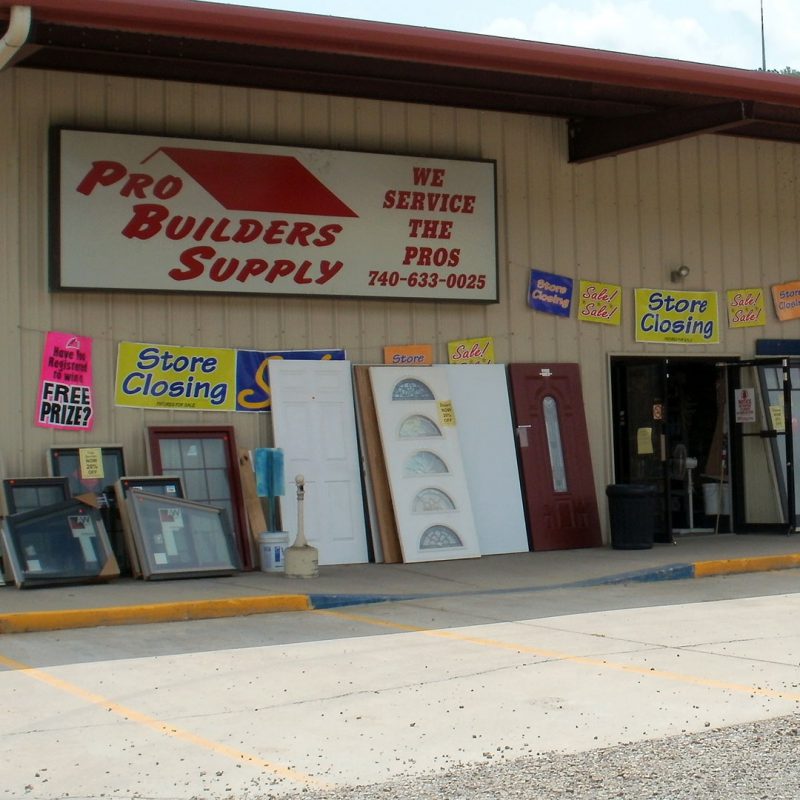
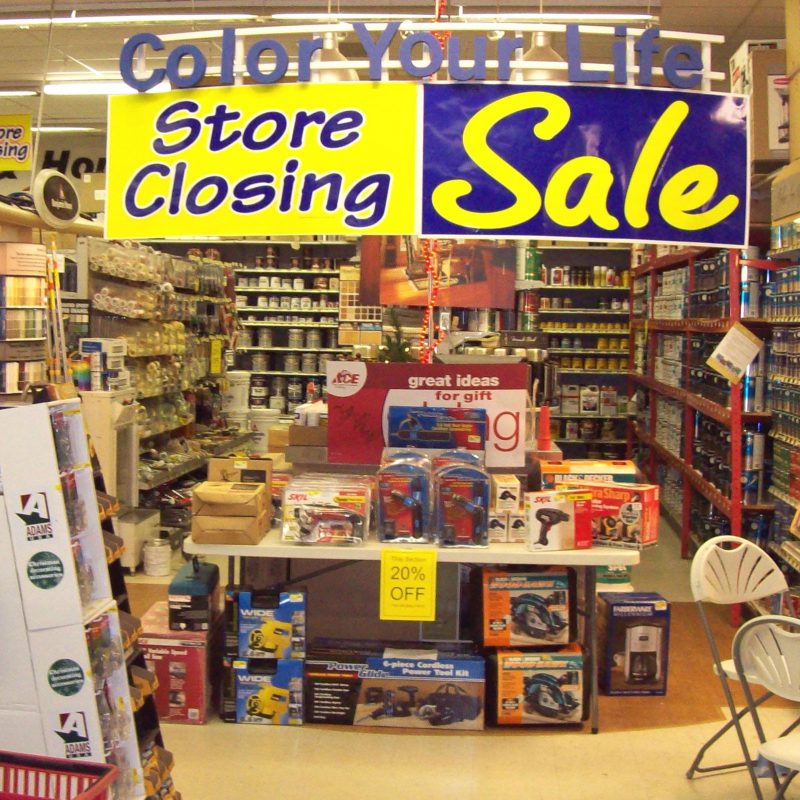
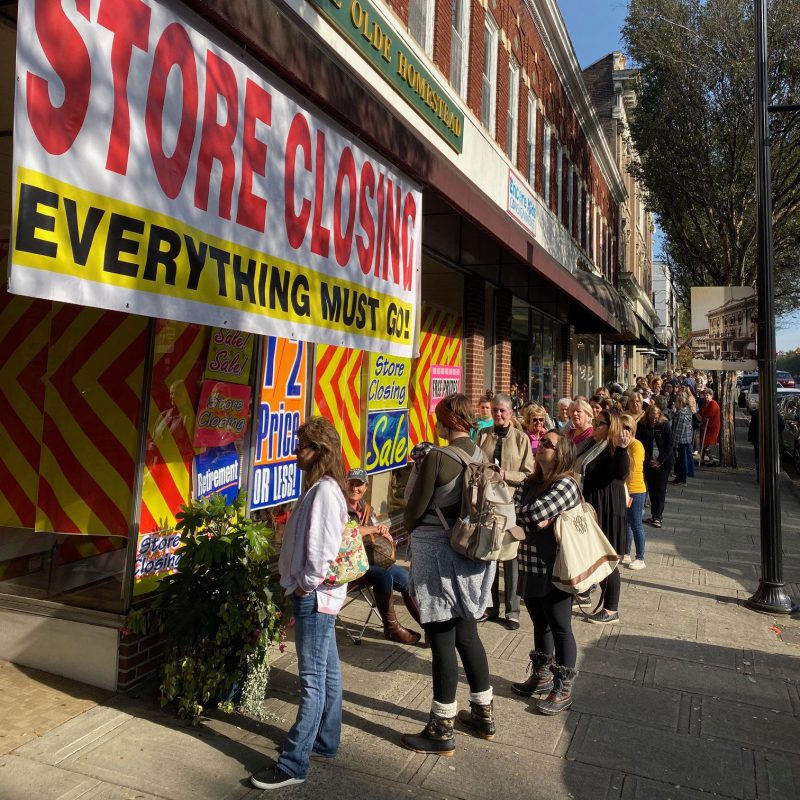
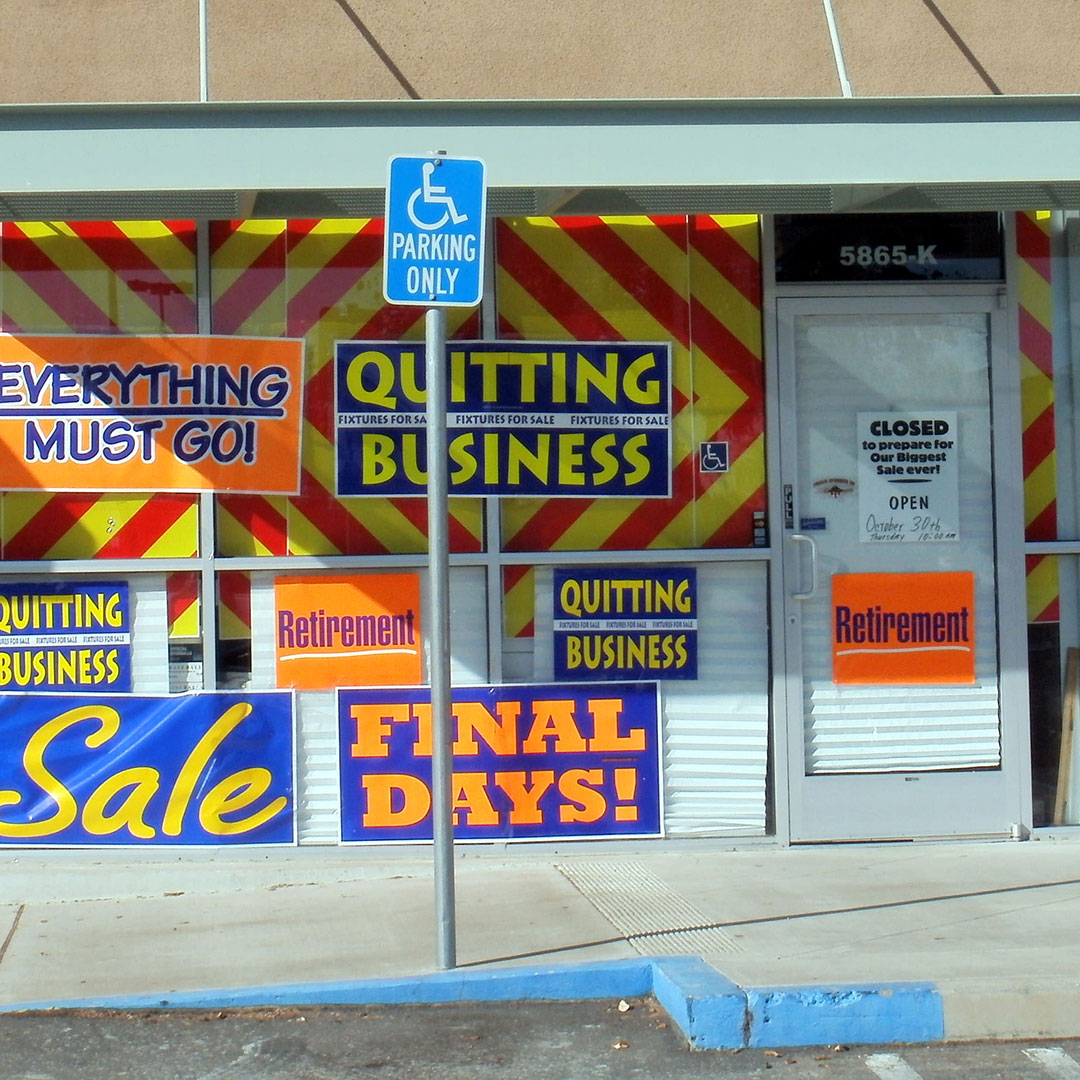
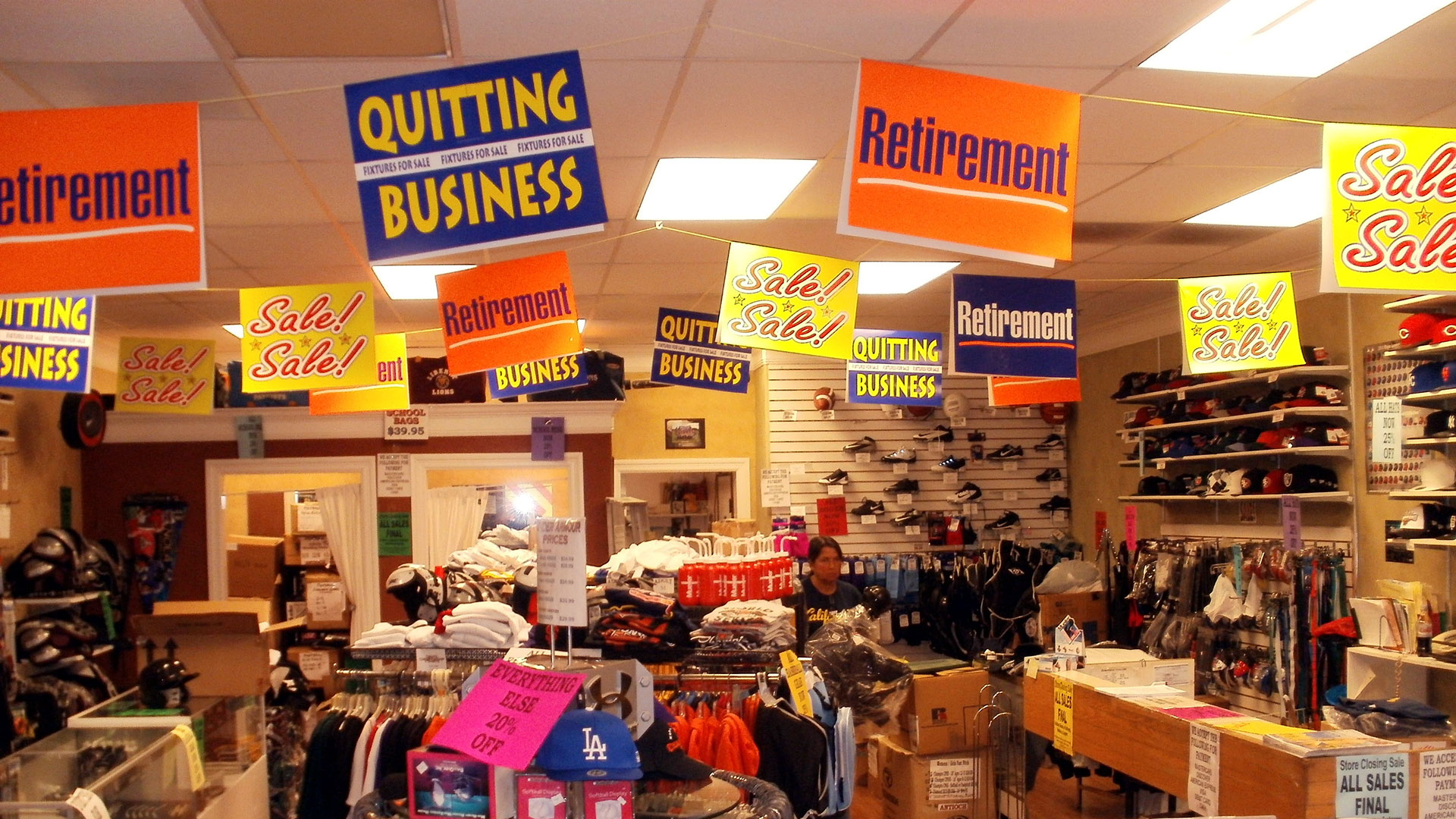
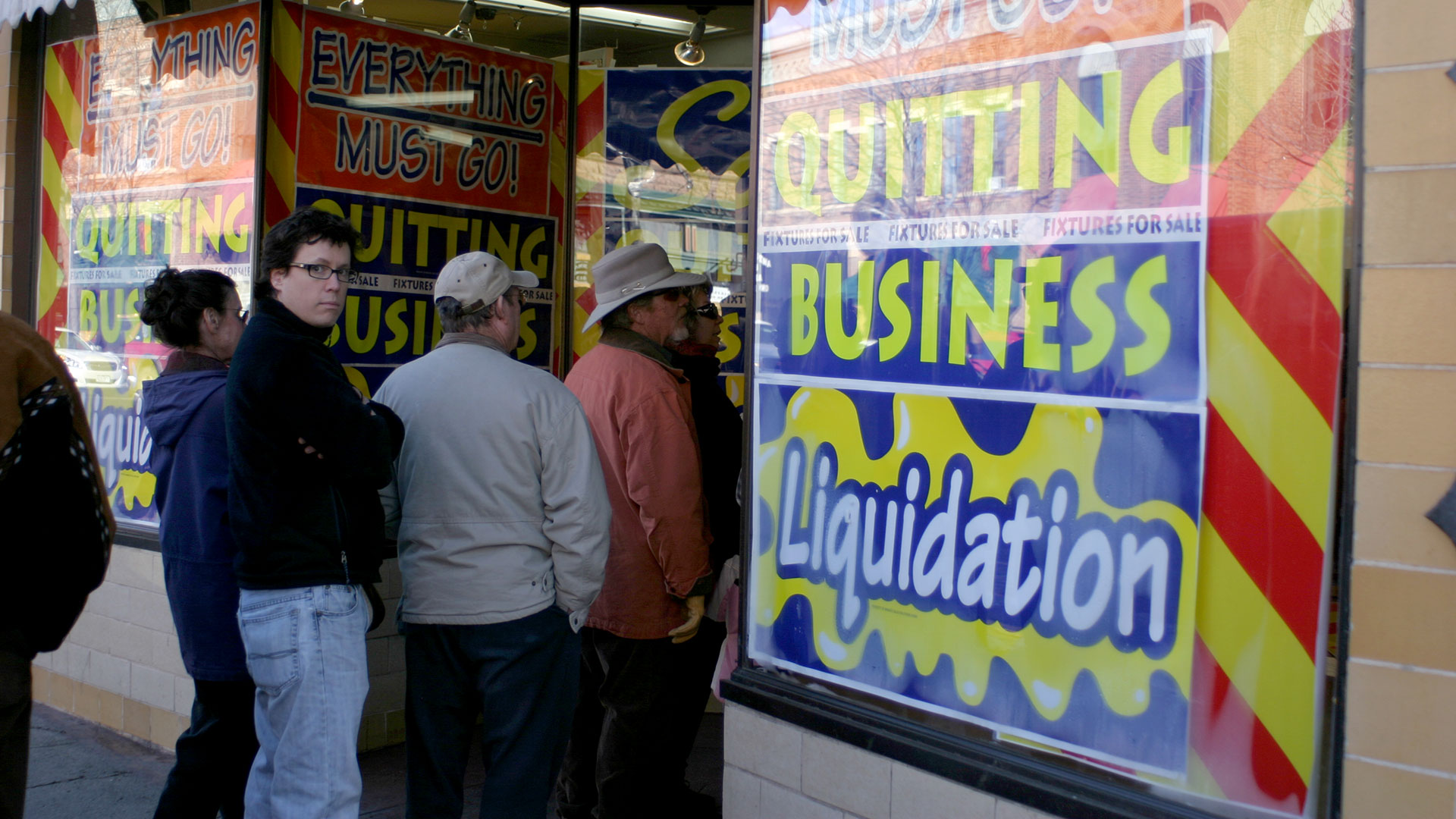
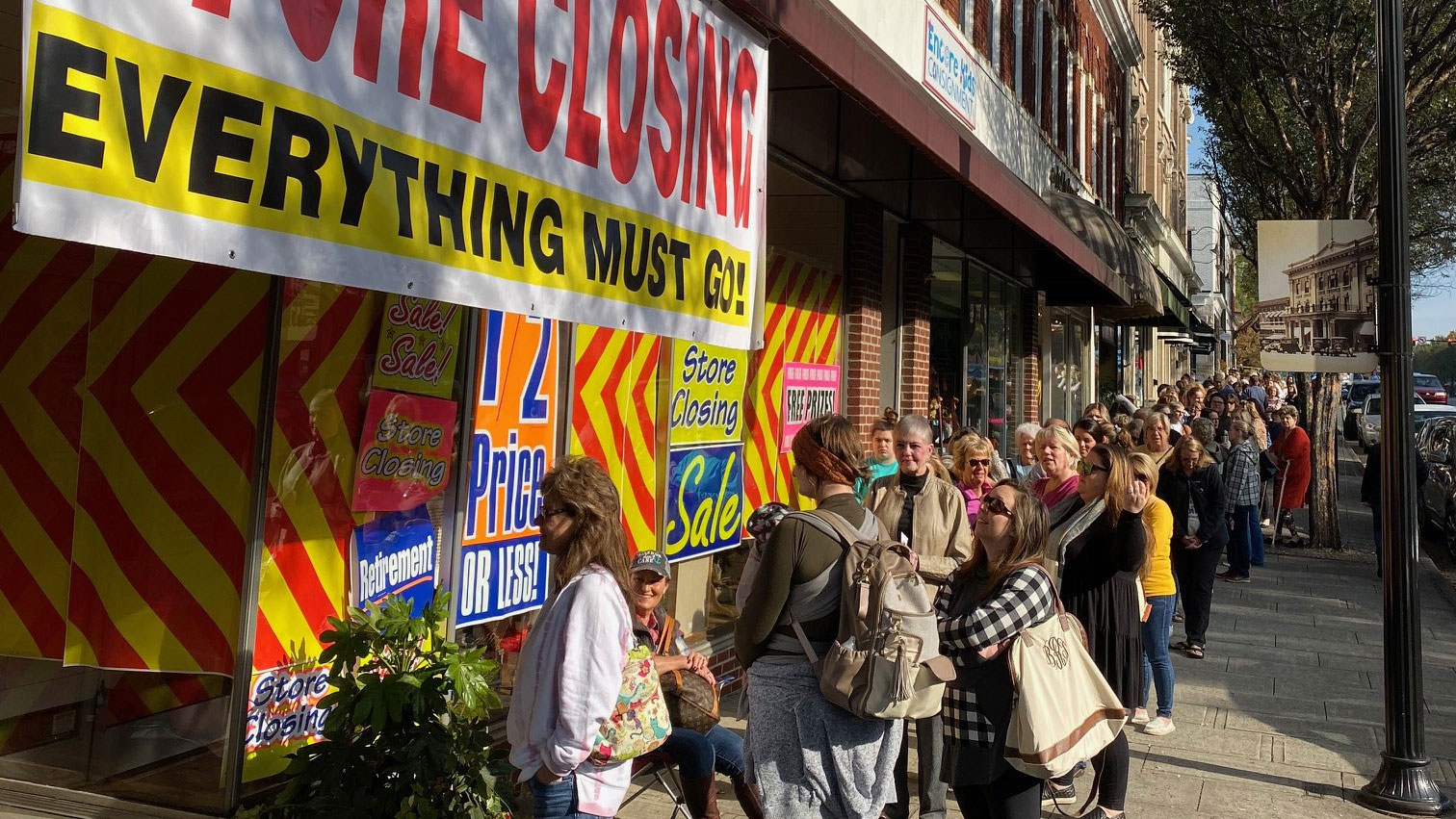
Closing a retail store is not a fire sale, an auction, or a last-ditch clearance. A professional store liquidation is a disciplined, revenue-driven business process designed to convert inventory, fixtures, and equipment into maximum cash while preserving your dignity, your reputation, and your control.

About Wingate Sales Solutions

A Century of Proven Retail Liquidation Experience

Wingate Sales Solutions provides retail store liquidation services nationwide, specializing in independent retailers who want results—not promises, gimmicks, or guarantees that protect the liquidator instead of the owner. With more than a century of continuous family experience, Wingate operates as a true liquidator partner, guiding store owners through every phase of a liquidation sale with clarity, authority, and proven systems that outperform auctions, bulk buyers, and self-conducted sales.

Wingate Sales Solutions traces its roots to 1916 and has operated continuously through:

  • The Great Depression
  • Multiple economic recessions
  • Retail consolidation waves
  • E-commerce disruption

This experience is not theoretical. It is operational. Wingate has conducted tens of thousands of retail store liquidations across virtually every retail category in North America.

Experience matters because liquidation is retailing at warp speed. Mistakes compound quickly. Timing errors destroy margin. Inexperienced liquidators run out of solutions when sales slow. Wingate does not.
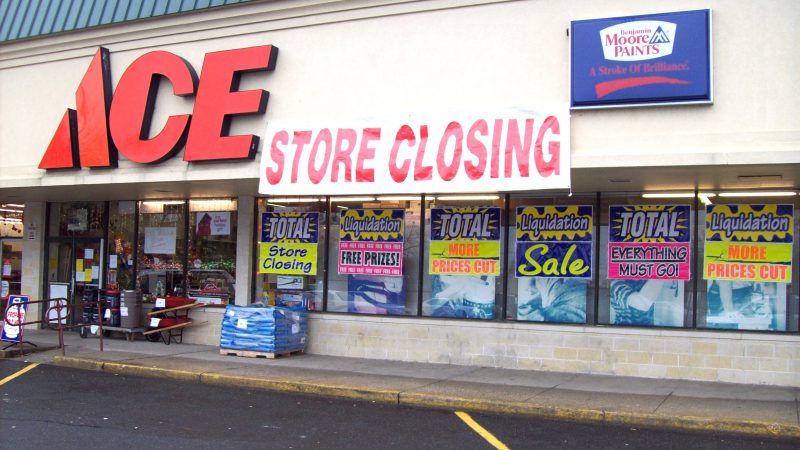
Liquidation Explained

What “Store Liquidation” Actually Means (And What It Does Not)

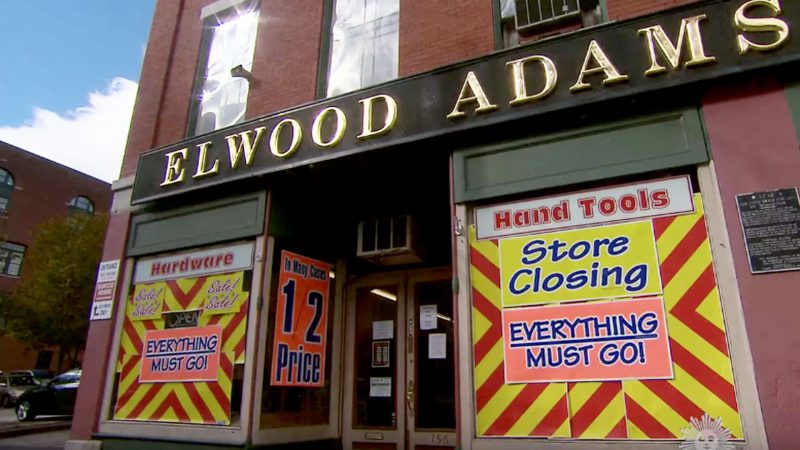
There is widespread confusion in the market often fueled by less experienced liquidation companies about what store liquidation really is. Wingate operates as a retail liquidation company, not an auctioneer, broker, or inventory buyer.

A professional store liquidation is NOT:

  • An auction (typically recovers only 5–30% of inventory value)
  • A bulk inventory buyout
  • A self-conducted clearance or inventory reduction sale
  • A chain-store liquidation model applied to an independent retailer

A professional store liquidation IS:

  • A retail-based revenue strategy conducted at accelerated speed
  • A controlled markdown process designed to maximize total recovery
  • A traffic-driven event that sustains buying urgency over time
  • A managed business liquidation that protects owner control
Retail Services

Retail Store Liquidation Services

Wherever your store is located, Wingate provides the same disciplined liquidation service. Our clients typically hold $75,000 to $3,000,000+ in inventory at cost and require a retail store liquidation approach that is ethical, disciplined, and outcome-driven. Wingate operates coast-to-coast, supporting:

  • Single-store owners
  • Multi-location operators
  • Family-owned legacy businesses
  • Specialty retail chains
Timing Strategy

When Is the Right Time to Start a Store Liquidation?

Earlier decisions produce better outcomes. Delays reduce recovery.

Common triggers include:

  • Retirement planning
  • Health concerns
  • Lease expiration
  • Declining profitability
  • Capital redeployment

Even if plans change, early evaluation improves optionality.

Expert Strategy

Why Store Owners Choose Professional Store Liquidation

Most store owners only face liquidation once. The consequences of choosing the wrong approach or the wrong liquidator are permanent. A professionally executed store liquidation sale addresses all of these pressures at once by shifting the focus from survival to recovery.
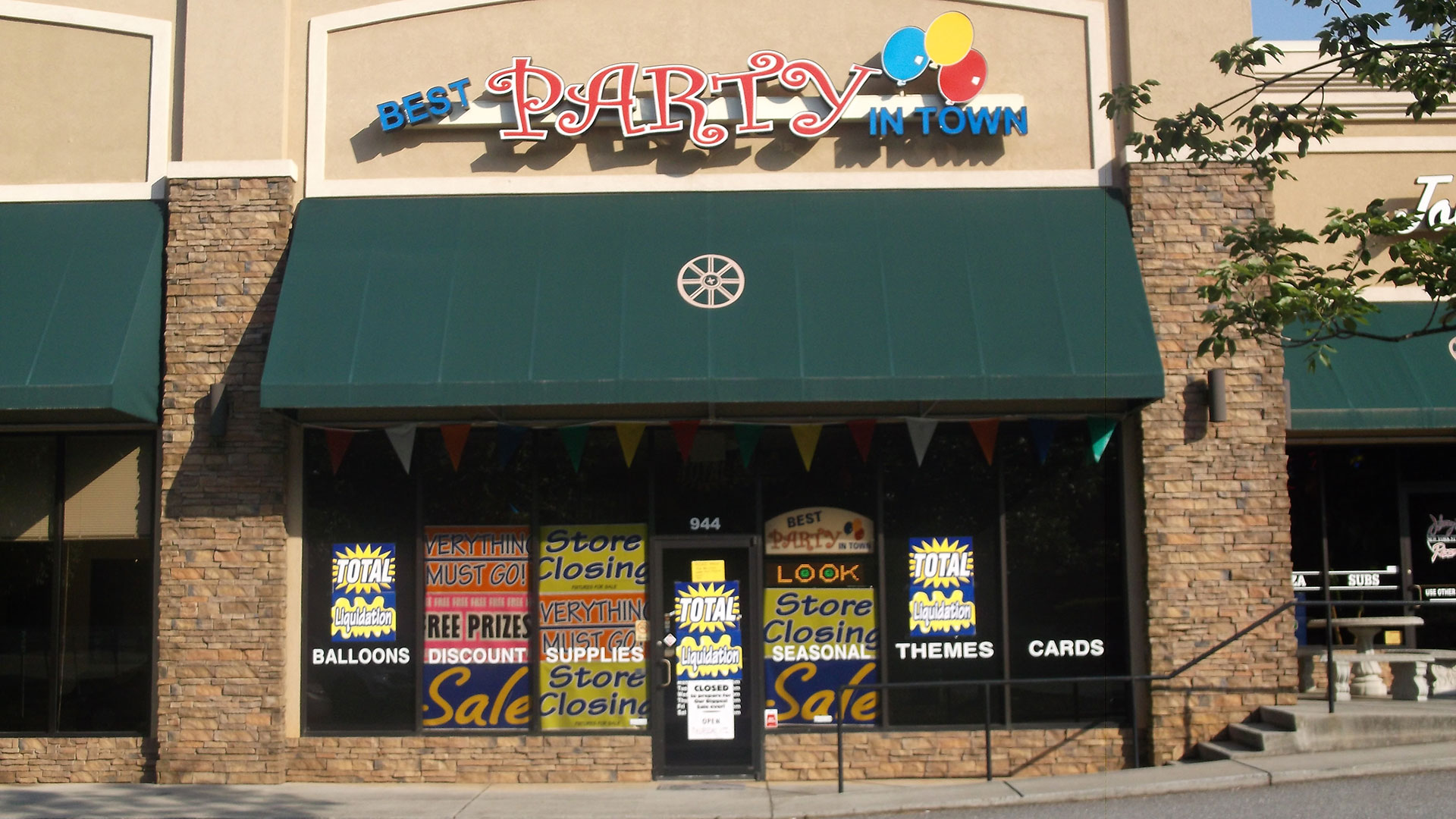
Common realities store owners face before engaging a professional retail liquidator:

  • Inventory quietly selling down before a decision is made
  • Rising carrying costs and shrinking margins
  • Lease pressure, health concerns, retirement timing, or burnout
  • Emotional attachment mixed with financial urgency
  • Fear of public perception or employee impact
The Wingate Difference

Why Wingate Sales Solutions Is Different From Other Liquidation Companies

Many liquidation companies compete on urgency, hype, or misleading guarantees. Wingate competes on experience, control, and provable outcomes.

Key differentiators that matter to sophisticated store owners:

  • No guarantees (because guarantees always hide a catch)
  • No escrow accounts you don’t control
  • No front-loaded fee structures
  • No percentage-only contracts that reward early exits
  • No bulk dumping of remaining inventory

Wingate’s role is not to extract fees; it is to maximize your recovery across the entire sale lifecycle.

Trusted for Over 100 Years

How a Professional Liquidation Sale Outperforms Other Options

Wingate routinely achieves:

  • Recoveries at or above inventory cost for well-positioned stores
  • Advertising costs held to a fraction of industry norms
  • Faster, cleaner exits than self-managed alternatives

These results are documented across decades of case histories and retail categories.

01.

How to Close a Retail Store

A comprehensive decision framework covering timing, inventory considerations, employee planning, lease issues, and the financial tradeoffs involved in shutting down a retail business. This guide explains why early planning increases recovery and why waiting too long can permanently limit options.

How to Close a Retail Store

A comprehensive decision framework covering timing, inventory considerations, employee planning, lease issues, and the financial tradeoffs involved in shutting down a retail business. This guide explains why early planning increases recovery and why waiting too long can permanently limit options.

02.

How Store Closing Sales Work

A detailed look at how professional store closing sales are structured, including pricing strategy, traffic generation, discount timing, and how experienced consultants manage inventory sell-through from opening day to the final week.

How Store Closing Sales Work

A detailed look at how professional store closing sales are structured, including pricing strategy, traffic generation, discount timing, and how experienced consultants manage inventory sell-through from opening day to the final week.

03.

Store Liquidation vs Auctions

A direct comparison between liquidation sales and retail auctions, including recovery expectations, control of receipts, timeline differences, and reputational impact within the community.

Store Liquidation vs Auctions

A direct comparison between liquidation sales and retail auctions, including recovery expectations, control of receipts, timeline differences, and reputational impact within the community.

04.

Store Liquidation vs Clearance Sale

An explanation of why clearance events and store closing sales are not interchangeable, and how running a clearance sale before a closing event often reduces total recovery.

Store Liquidation vs Clearance Sale

An explanation of why clearance events and store closing sales are not interchangeable, and how running a clearance sale before a closing event often reduces total recovery.

05.

Store Liquidation vs Bulk Sales

An analysis of bulk inventory buyers and why speed of exit frequently comes at the expense of overall return for independent store owners.

Store Liquidation vs Bulk Sales

An analysis of bulk inventory buyers and why speed of exit frequently comes at the expense of overall return for independent store owners.

06.

Store Liquidation vs Self Liquidation Sales

A practical breakdown of the operational risks and margin erosion that occur when store owners attempt to conduct their own going out of business sale without structured pricing systems or traffic control.

Store Liquidation vs Self Liquidation Sales

A practical breakdown of the operational risks and margin erosion that occur when store owners attempt to conduct their own going out of business sale without structured pricing systems or traffic control.

07.

How to Choose a Liquidator

Objective criteria for evaluating liquidation companies, reviewing contracts, identifying front-loaded fee structures, and understanding why guarantees often protect the liquidator — not the store owner.

How to Choose a Liquidator

Objective criteria for evaluating liquidation companies, reviewing contracts, identifying front-loaded fee structures, and understanding why guarantees often protect the liquidator — not the store owner.

08.

Common Store Closing Mistakes

A review of the most frequent and costly errors made before and during store closings, including inventory sell-down, mistimed markdowns, poor advertising allocation, and premature auctions.

Common Store Closing Mistakes

A review of the most frequent and costly errors made before and during store closings, including inventory sell-down, mistimed markdowns, poor advertising allocation, and premature auctions.

09.

Liquidation Facts

What Every Store Owner Should Know Before Closing a Retail Business What “Liquidation” Actually Means in Retail Retail liquidation is …

Liquidation Facts

What Every Store Owner Should Know Before Closing a Retail Business What “Liquidation” Actually Means in Retail Retail liquidation is …

10.

DIY Liquidation Sale Plan

A structured, owner-managed liquidation system designed to convert inventory into cash without sacrificing control, margins, or reputation.

DIY Liquidation Sale Plan

A structured, owner-managed liquidation system designed to convert inventory into cash without sacrificing control, margins, or reputation.

11.

Our Process

How Wingate Sales Solutions Plans and Executes a Profitable Store Closing Sale Closing a retail store is not a clearance …

Our Process

How Wingate Sales Solutions Plans and Executes a Profitable Store Closing Sale Closing a retail store is not a clearance …

What to Do About Dead Stock

Frequently Asked Questions About Store Liquidation

Store liquidation is a structured retail process used to convert inventory, fixtures, and equipment into cash when a business is closing or exiting. Unlike auctions or bulk inventory sales, a professional store liquidation operates as a retail sale conducted at accelerated speed, using controlled discounts, traffic generation, and pricing strategy to maximize total recovery while the store remains open.

An auction is designed for speed, not recovery. Most retail auctions recover 5–30% of inventory value after fees. A professional store liquidation sale uses retail pricing psychology, merchandising, and sustained traffic to recover significantly more—often at or above inventory cost for well-positioned stores. Auctions remove pricing control; liquidation preserves it.

The right liquidator should:

  • Specialize in independent retail store liquidations
  • Avoid guarantees, escrow accounts, and front-loaded contracts
  • Provide on-site professional management
  • Demonstrate decades of documented results

Be cautious of liquidation companies that emphasize speed, guarantees, or “no-risk” claims; these typically shift risk to the store owner.

Most professional retail liquidators do not buy inventory. Buying inventory requires wholesale-level discounts that significantly reduce recovery. Instead, a retail liquidator conducts a liquidation sale in your store, selling merchandise directly to consumers at controlled discounts to maximize total return.

The length of a store liquidation sale depends on:

  • Inventory size and mix
  • Store category
  • Timing and seasonality
  • Local market conditions

Some sales conclude in a few weeks; others take longer. A professional liquidation plan prioritizes total recovery, not arbitrary timelines.

With a professional retail liquidator like Wingate, no. You retain control of:

  • All sale proceeds
  • Store operations
  • Employees
  • Final approval on pricing and advertising decisions

Loss of control typically occurs with escrow-based or percentage-only liquidation contracts.

Because guarantees are structurally misleading. They are almost always paired with:

  • Front-loaded fees
  • Accelerated payments
  • Early-exit clauses
  • Hidden performance conditions

In store liquidation, outcomes depend on inventory, timing, cooperation, and execution. Ethical liquidators provide realistic projections, not artificial guarantees.

Self-conducted liquidations often cost more in the long run due to:

  • Poor traffic sustainability
  • Mistimed markdowns
  • Emotional pricing decisions
  • Inability to manage late-stage inventory

Liquidation is retailing at warp speed. Experience compounds results; inexperience compounds losses.

Fixtures and equipment can represent significant additional value. A professional liquidation company actively markets, prices, and sells these assets during the sale often generating substantial extra recovery. Many liquidation companies overlook this entirely or charge additional commissions.

Earlier is almost always better. Delaying a decision often results in:

  • Inventory selling down
  • Higher markdown requirements
  • Increased advertising costs
  • Lower total recovery

Even if plans change, an early evaluation improves outcomes. The best time to explore store liquidation is before urgency forces poor decisions.

Request a Confidential Consultation

(888) 480-SALE
P.O. Box 48294
Wichita, KS 67201-8294
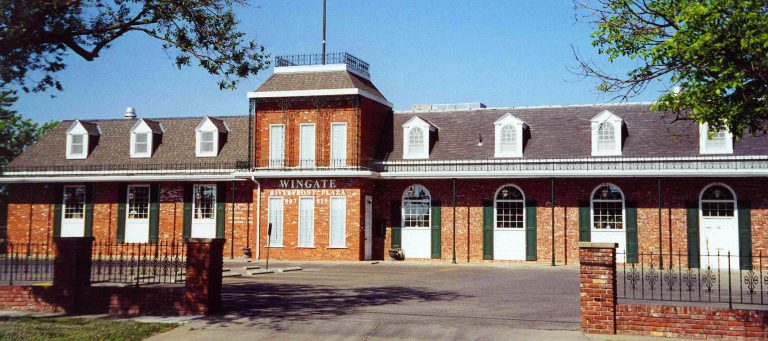
Wingate Sales Solutions Office Exterior Contact Wingate Sales Solutions

We Can Help

If you are considering closing a store or evaluating liquidation as an option, start with a private, no-obligation conversation. There is no pressure, no commitment, and no cost to understand your options.

Request a FREE consultation. All information is confidential and tailored to your store.

This field is for validation purposes and should be left unchanged.
Name*
Address*
This field is hidden when viewing the form
©2026 Winage Sales Solutions. All rights reserved.